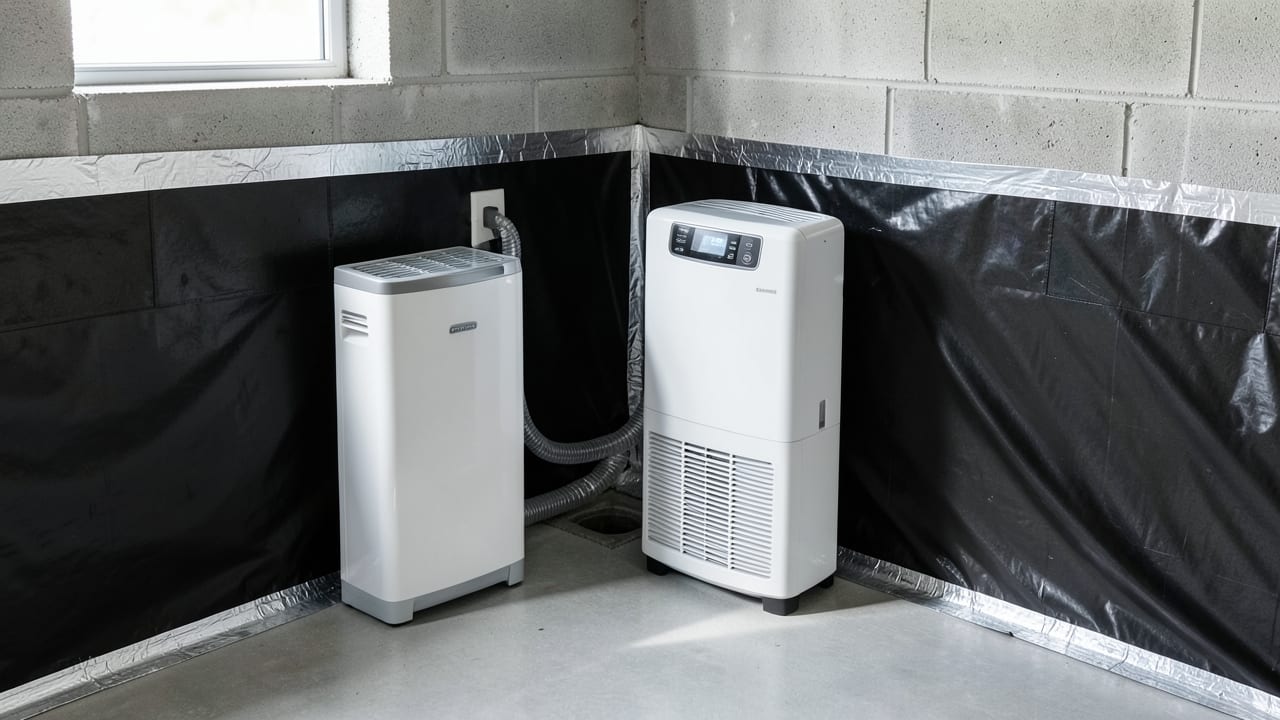
Mold Prevention & Moisture Control
Mold prevention and moisture control in Redington Shores, FL — addressing ventilation, humidity, and drainage before growth starts, not after.
In Redington Shores, FL, where humidity and seasonal rains create ideal conditions for mold growth, prevention and moisture control are critical to protecting your home. Unlike reactive remediation, proactive measures focus on eliminating the root causes—excess moisture, poor airflow, and hidden leaks—before mold takes hold.
Addressing these issues upfront helps avoid costly repairs and health concerns down the line.
We also handle Pantry Mold Treatment and Hallway Mold Remediation for Redington Shores properties.
When mold prevention becomes necessary
Mold in Redington Shores often starts small but can quickly become a larger issue if ignored. Visible signs like discoloration on walls, ceilings, or floors are the most obvious indicators, but other clues—such as a persistent musty odor, recurring damp spots, or mold reappearing after cleaning—suggest a deeper problem.
Florida’s climate, with its high humidity and frequent rainfall, accelerates mold growth, making early action essential.
Even if mold isn’t visible, stagnant air in enclosed spaces like windowless bathrooms, closets, or basements can trap moisture, creating hidden breeding grounds. A strong musty smell when your HVAC runs may mean mold is growing inside ducts, spreading spores throughout your home.
If you notice any of these signs, it’s time to assess and address the moisture source before mold becomes widespread.
Signs You Need Mold Prevention or Moisture Control
- Mold covering more than a small, isolated patch (Florida considers 25+ contiguous square feet a professional job).
- Mold reappearing in the same spot after cleaning, indicating an unresolved moisture issue.
- A musty smell with no visible mold, suggesting hidden growth in walls, under flooring, or inside ducts.
- Persistent dampness in enclosed spaces like basements, closets, or windowless rooms.
- Water stains or peeling paint/wallpaper, signaling long-term moisture exposure.
What affects cost and scope in Redington Shores
The cost of mold prevention and moisture control in Redington Shores depends on the size of the affected area, the type of mold, and whether hidden growth requires structural work. Black mold (Stachybotrys) typically requires more extensive treatment, increasing costs by 15–25% compared to other types.
Labor, containment materials, and equipment like industrial dehumidifiers and HEPA air scrubbers also factor into pricing.
Florida law requires licensed remediators to follow strict containment and clearance testing protocols, which can add to the total cost but ensure the job is done safely and thoroughly.
Unlike reactive remediation, prevention focuses on fixing moisture sources—such as leaks, poor ventilation, or grading issues—rather than just removing visible mold, which can reduce long-term recurrence.
Prevention vs. remediation: why fixing moisture matters
Removing mold without addressing the moisture source is like treating a symptom without curing the illness—it often leads to regrowth within months. Prevention in Redington Shores means identifying and fixing leaks, improving airflow, and controlling humidity to stop mold before it starts.
For example, a small fan or dehumidifier in a damp closet can prevent future issues, while redirecting downspouts away from your foundation stops water from seeping into walls.
Florida’s licensing rules also play a role: the same company cannot assess *and* remediate the same property within a year, ensuring unbiased identification of moisture problems. This separation helps homeowners avoid conflicts of interest and ensures the root cause is properly addressed.
Skipping containment or clearance testing can leave spores behind, spreading contamination to unaffected areas. Without fixing the moisture source—like a leak or poor grading—the same mold will likely return, often worse than before.
How mold prevention & moisture control works
This process focuses on eliminating moisture sources and containing spores to prevent spread.
- 1Containment Setup
Plastic sheeting and negative-air machines seal off the work area, preventing spores from drifting into other parts of your home during removal.
- 2Material Removal or Cleaning
Porous materials like drywall or carpet padding—where mold grows deep—are cut out and bagged, while non-porous surfaces (tile, framing) are scrubbed and treated.
- 3Structural Drying
Industrial dehumidifiers and air movers reduce moisture in framing and subfloors to normal levels, stopping hidden regrowth.
- 4HEPA Filtration
HEPA air scrubbers and vacuums capture spores during removal, unlike standard equipment, which recirculates them into the air.
- 5Clearance Testing
An independent lab tests air or surfaces post-remediation to confirm spore levels are back to normal before containment is removed.
Frequently asked questions
How do I know if my mold issue is too big for DIY cleanup?
Florida law treats mold covering 25+ contiguous square feet as a professional job. If mold keeps returning after cleaning or you notice a musty smell with no visible source, it’s likely hidden behind walls or in ducts—both require expert assessment.
Will fixing the moisture source prevent mold from coming back?
Addressing leaks, poor ventilation, or grading issues reduces recurrence risk, but results depend on how thoroughly the source is resolved. Periodic humidity checks in the first year can catch early signs of regrowth.
Why does Florida require separate companies for mold assessment and remediation?
State law prohibits the same entity from assessing *and* remediating the same property within a year to avoid conflicts of interest. This ensures unbiased identification of moisture problems and fair pricing.
Do I need clearance testing after remediation?
Yes. Independent testing confirms spores are gone before containment is removed. Without it, there’s no way to verify the job fully resolved the contamination.
Where Redington Shores sits, and what the Census lists nearby
Redington Shores sits in Florida, and the closest places listed in the U.S. Census Gazetteer are North Redington Beach (1 miles southeast), Indian Shores (1.6 miles northwest), Redington Beach (2 miles southeast), Seminole (3 miles east).
Within 25 miles of Redington Shores the same source lists 45 distinct incorporated places and census-designated places.
Those figures matter for mold prevention & moisture control because they are straight-line distances between Census coordinate points: road mileage between Redington Shores and North Redington Beach runs longer than the 1 miles shown, which is why quotes for the same job differ between towns that look close together on a map.
Source: U.S. Census Bureau Gazetteer.
See Pinellas Park, FL for more, or see what's included in our Redington Shores service on a single page for our complete lineup.
Ready to get started?
Talk to a local mold remediation pro in Redington Shores — get a written quote.
Other Mold Remediation Services in Redington Shores
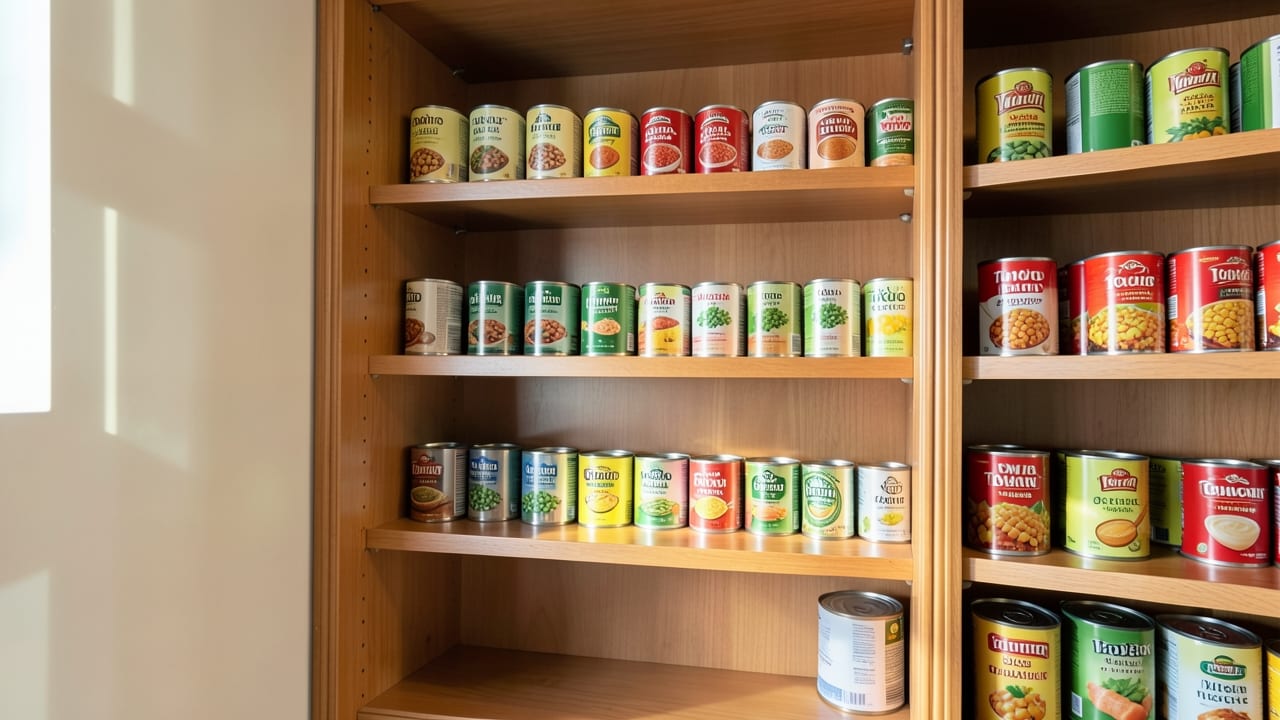
Pantry Mold Treatment in Redington Shores, FL
Professional assessment and removal of mold in pantry areas to restore a safe, clean space.
Learn More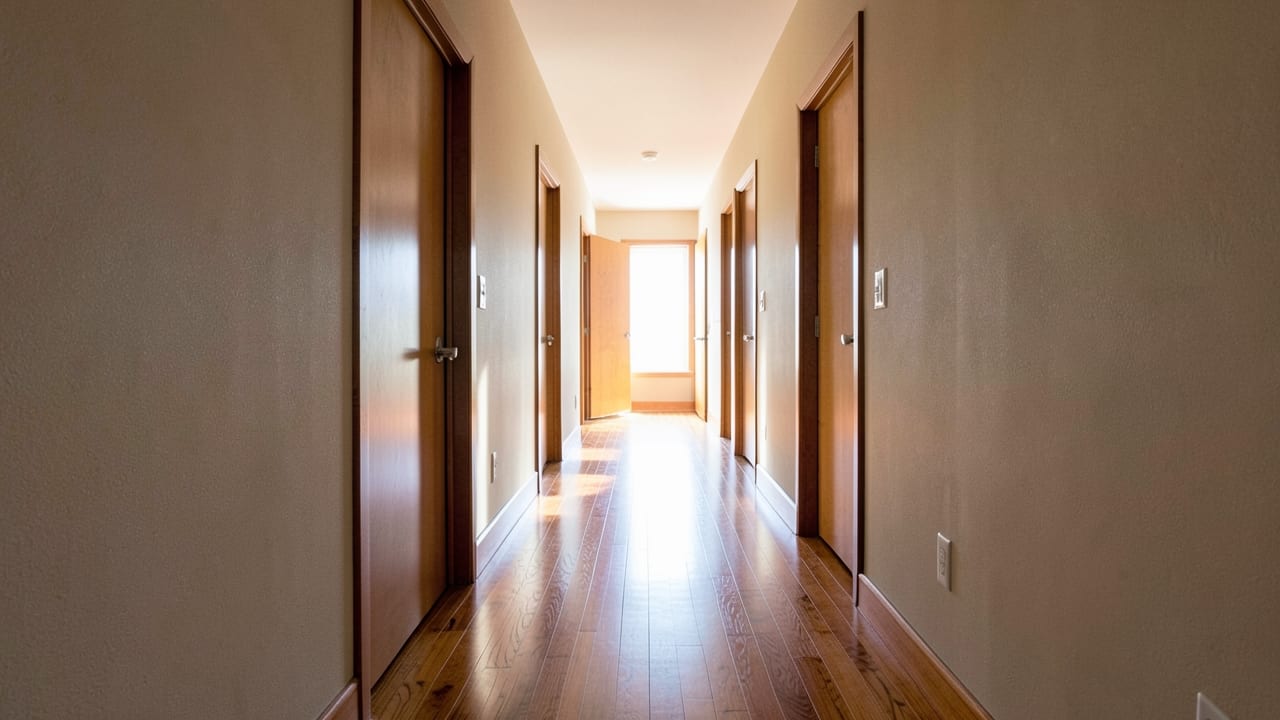
Hallway Mold Remediation in Redington Shores, FL
Professional removal and treatment of mold growth in residential hallways.
Learn More
Condo Mold Remediation in Redington Shores, FL
Professional removal and treatment of mold in condominiums to restore safe, healthy living spaces.
Learn More
Retail Store Mold Remediation in Redington Shores, FL
Professional mold removal and remediation for retail stores to restore safe, clean environments.
Learn More
Clinic Mold Remediation in Redington Shores, FL
Professional mold removal and remediation to restore safe, healthy indoor spaces.
Learn More
Hotel Mold Remediation in Redington Shores, FL
Professional removal and treatment of mold growth in hotel properties to restore safe, clean environments.
Learn MoreCommon Questions About Mold Remediation in Redington Shores
Everything you need to know about mold remediation services in Redington Shores
How much does Mold Prevention & Moisture Control typically cost in Redington Shores, FL?
Why does Redington Shores, FL's humidity make mold a bigger risk than in drier regions?
How long does a typical mold remediation job take?
Is it safe to stay in the home during mold remediation?
Can small mold problems be handled without hiring anyone?
What's the actual difference between mold removal and mold remediation?
Need Mold Remediation in Redington Shores?
Connect with local providers in Redington Shores for a detailed quote.
⏰ We answer your call • Serving all of Redington Shores and surrounding areas