Hospital Mold Removal
Professional assessment and removal of mold in hospitals to ensure a safe, healthy environment.
In Redington Shores, FL, hospital-grade mold removal addresses severe mold growth in homes, using strict containment, HEPA filtration, and moisture control to prevent regrowth. Unlike basic cleaning, this service targets hidden spores and structural moisture sources to meet Florida’s safety standards for high-risk areas like bathrooms, basements, and HVAC systems.
When is mold removal needed?
Mold in Redington Shores homes often starts small but can spread quickly in damp areas. Visible signs include patches larger than 25 square feet, recurring growth after cleaning, or a musty smell with no visible source—common in Florida’s humid climate.
We also handle Spring Mold Inspection and Post-Remediation Sealing for Redington Shores properties.
Hidden mold behind walls or in ductwork requires professional containment to avoid spreading spores.
Florida law prohibits the same company from assessing and remediating mold within a year, ensuring unbiased treatment. If mold keeps returning, the moisture source (leaks, poor ventilation) likely wasn’t fixed during prior attempts.
Signs You Need Mold Removal
- Mold covers more than 25 square feet in one area (Florida’s threshold for professional work).
- Growth returns within weeks after cleaning, suggesting a hidden moisture source.
- Musty odors persist even after visible mold is removed, indicating hidden spores.
- Mold appears in multiple rooms or near HVAC vents, risking airborne spread.
What affects the process?
Hospital-grade removal follows strict containment protocols to isolate spores. Porous materials (drywall, carpet) are removed, while non-porous surfaces (tile, metal) are treated. Industrial dehumidifiers and HEPA vacuums ensure spores aren’t recirculated, and clearance testing confirms spore levels return to normal ranges post-remediation.
Pricing varies based on square footage, containment complexity, and whether moisture sources are addressed. Florida’s DBPR licenses separate roles for assessment and remediation to prevent conflicts of interest.
Post-remediation care
After removal, fix leaks, improve airflow, and monitor humidity to prevent recurrence. Rooms prone to dampness (basements, closets) benefit from dehumidifiers or fans. Florida’s climate demands ongoing vigilance—check for moisture sources annually, especially after storms.
Skipping containment breaches spores, using non-HEPA equipment recirculates them, and treating mold without fixing moisture sources leads to faster regrowth. Always verify clearance testing and moisture source repairs.
How hospital-grade mold removal works
This process isolates spores, removes contaminated materials, and restores safe conditions.
- 1Containment Setup
Plastic sheeting and negative-air machines seal the work area to prevent spores from spreading during removal.
- 2Material Removal/Treatment
Porous materials (drywall, carpet) are cut out and bagged, while non-porous surfaces (tile, metal) are scrubbed and treated.
- 3HEPA Filtration
HEPA air scrubbers and vacuums capture spores during work, unlike standard equipment that releases them back into the air.
- 4Structural Drying
Industrial dehumidifiers and air movers dry framing and subfloors to prevent hidden mold regrowth.
- 5Clearance Testing
Independent air or surface sampling confirms spore levels return to normal before containment is removed.
Frequently asked questions
Can I clean small mold patches myself?
Yes, if the area is under 25 square feet and you use EPA-approved cleaners. For larger patches or hidden mold, professional removal prevents airborne spread and ensures moisture sources are fixed.
How do I know if my mold is hidden?
Musty odors with no visible mold, damp walls behind furniture, or mold near HVAC vents suggest hidden growth. Professional inspection with moisture meters or thermal imaging can locate it.
Will mold come back if I only clean it?
Likely—mold regrows if moisture sources (leaks, condensation) aren’t addressed. Remediation includes fixing these issues to help the finish last longer.
How long does the process take?
Timing varies by size and containment needs, but most jobs take 1–3 days. Complex cases (ductwork, large basements) may require longer.
Where Redington Shores sits, and what the Census lists nearby
Redington Shores sits in Florida, and the closest places listed in the U.S. Census Gazetteer are North Redington Beach (1 miles southeast), Indian Shores (1.6 miles northwest), Redington Beach (2 miles southeast), Seminole (3 miles east).
Within 25 miles of Redington Shores the same source lists 45 distinct incorporated places and census-designated places.
Those figures matter for hospital mold removal because they are straight-line distances between Census coordinate points: road mileage between Redington Shores and North Redington Beach runs longer than the 1 miles shown, which is why quotes for the same job differ between towns that look close together on a map.
Source: U.S. Census Bureau Gazetteer.
See Belleair Bluffs, FL for more, or browse what we cover for Redington Shores properties in one place for our complete lineup.
Ready to get started?
Talk to a local mold remediation pro in Redington Shores — get a written quote.
Other Mold Remediation Services in Redington Shores
Spring Mold Inspection in Redington Shores, FL
Professional assessment and identification of mold growth in homes.
Learn More
Post-Remediation Sealing in Redington Shores, FL
Applying protective sealants to surfaces after mold remediation to prevent future growth.
Learn More
Mold Inspection in Redington Shores, FL
Mold inspection in Redington Shores, FL — a visual and moisture-meter assessment that finds the source of growth, not just the visible spot on the wall.
Learn More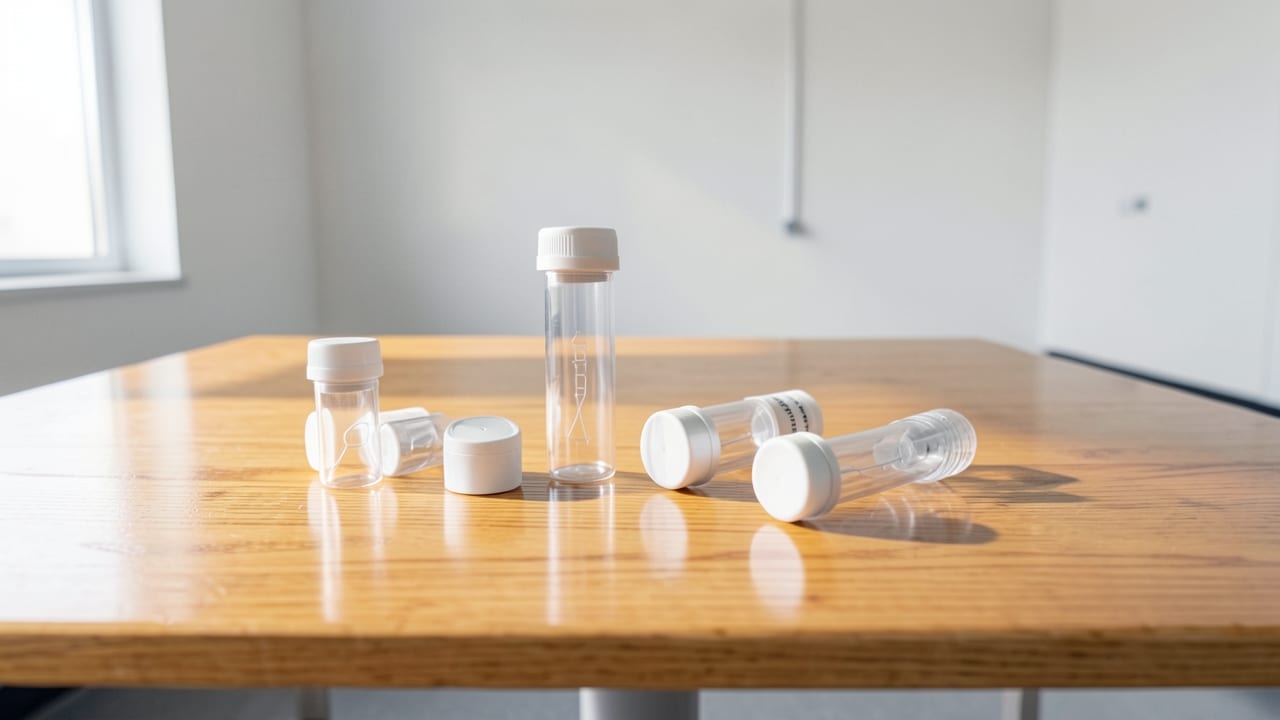
Mold Testing & Air Quality Testing in Redington Shores, FL
Mold and indoor air quality testing in Redington Shores, FL — lab-analyzed air and surface samples confirm what's actually growing and whether it's airborne.
Learn More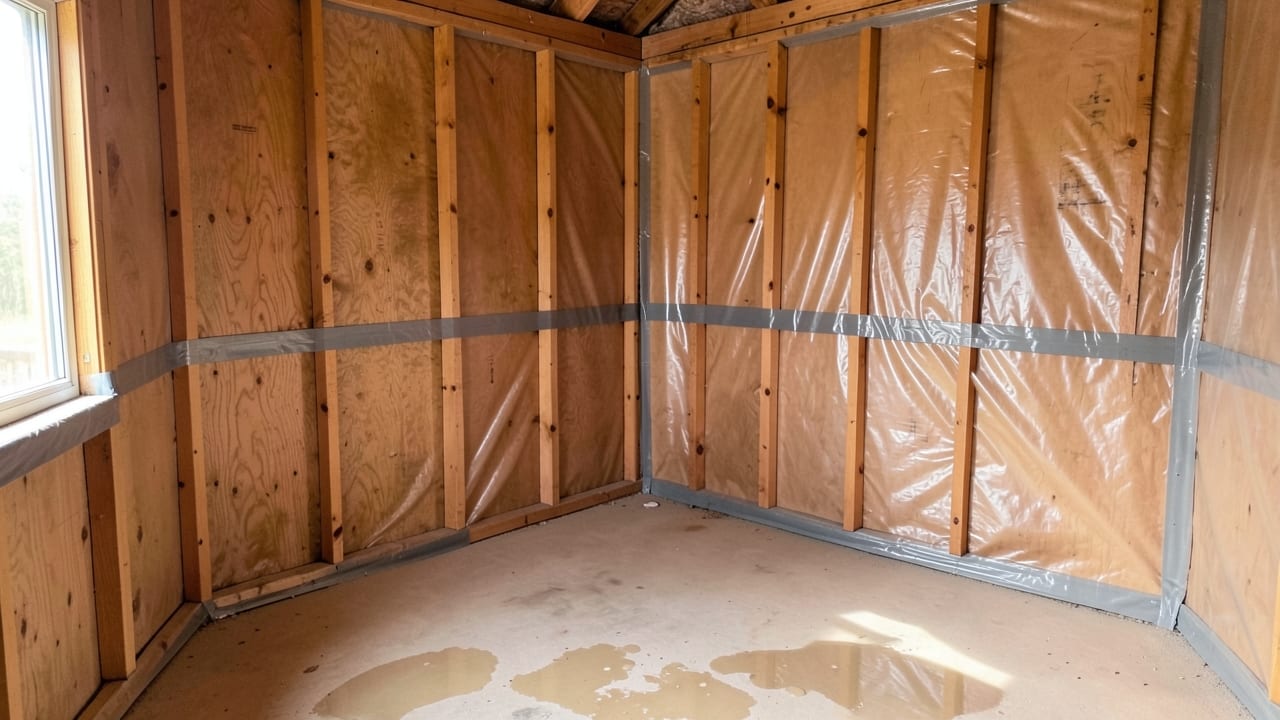
Mold Removal & Remediation in Redington Shores, FL
Mold removal and remediation in Redington Shores, FL — containment, HEPA filtration, and removal of affected material following industry (IICRC S520) protocol.
Learn More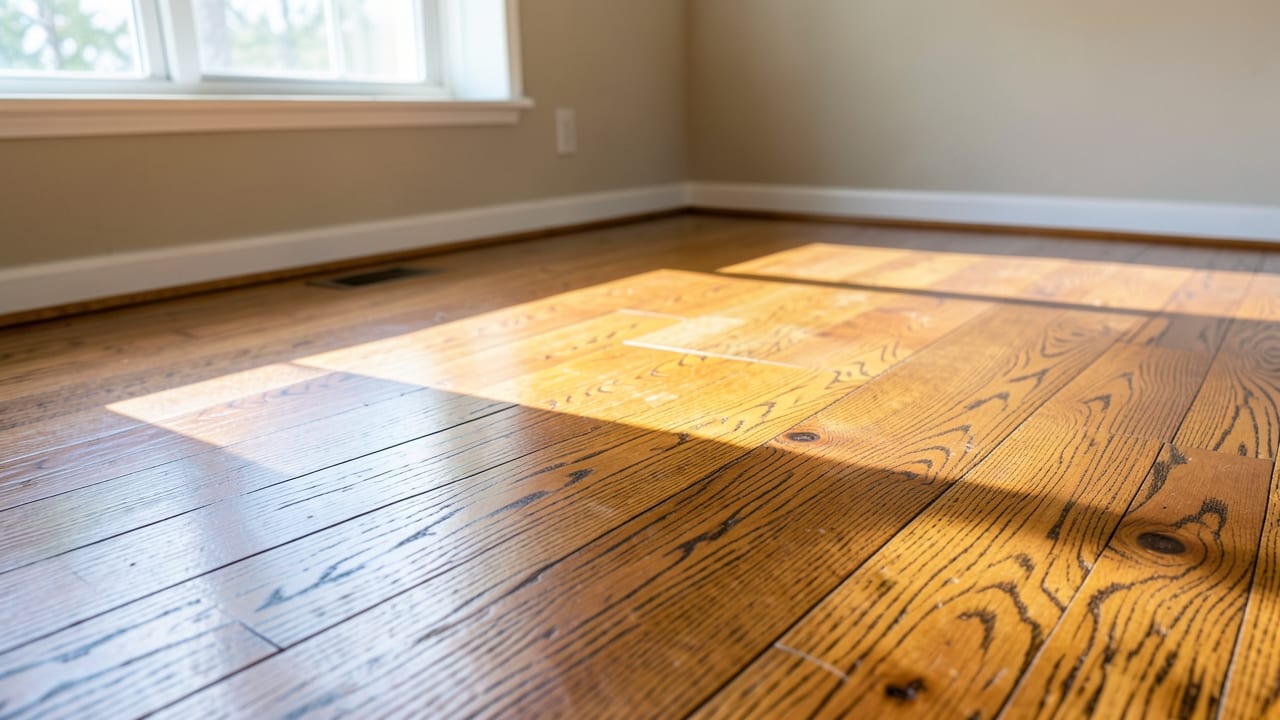
Water Damage Restoration in Redington Shores, FL
Water damage restoration in Redington Shores, FL — extraction and structural drying to stop mold growth before it starts, following a leak, storm, or flood.
Learn MoreCommon Questions About Mold Remediation in Redington Shores
Everything you need to know about mold remediation services in Redington Shores
How much does Hospital Mold Removal typically cost in Redington Shores, FL?
Why does Redington Shores, FL's humidity make mold a bigger risk than in drier regions?
Can mold growing inside HVAC ductwork spread to the rest of a home?
Does mold mean the same thing as mildew?
Does homeowners insurance typically cover mold remediation?
Is black mold actually more dangerous than other mold types?
Need Mold Remediation in Redington Shores?
Connect with local providers in Redington Shores for a detailed quote.
⏰ We answer your call • Serving all of Redington Shores and surrounding areas