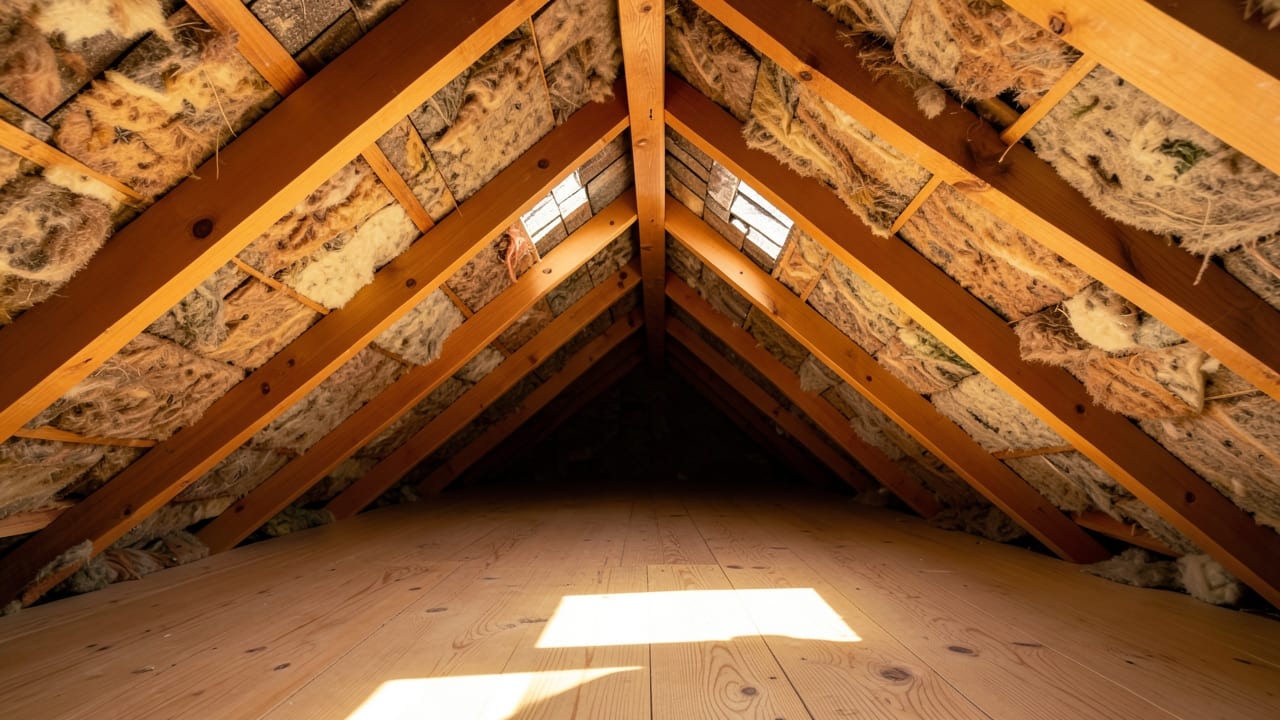
Attic Mold Remediation
Attic mold remediation in Redington Shores, FL addresses roof-deck growth typically caused by poor ventilation or a hidden roof leak.
Attic mold in Redington Shores often traces back to roof leaks or trapped humidity in poorly ventilated spaces. Without proper remediation, hidden growth can spread through framing and insulation, worsening air quality and structural risks. Local experts address this with containment, removal, and moisture-source fixes to help prevent recurrence.
When attic mold needs professional help
Mold covering more than a few square feet, recurring after cleaning, or hidden behind surfaces usually signals a problem beyond surface cleaning. In Florida, growth exceeding 25 contiguous square feet requires licensed remediation under state law.
We also handle Mold Inspection and Mold Testing & Air Quality Testing for Redington Shores properties.
Musty smells without visible mold often mean hidden growth in walls, ducts, or under flooring.
Attics are especially vulnerable because warm, humid air escaping from living spaces condenses on cooler roof decks. A leaky roof or poor ventilation can turn this into a chronic issue.
Signs like discoloration on the underside of the roof deck, sagging insulation, or a damp smell when accessing the attic are red flags.
Signs Your Attic Mold Requires Professional Remediation
- Mold covers more than 25 square feet (Florida’s threshold for licensed work).
- Growth returns within weeks after cleaning, indicating an unresolved moisture source.
- Musty odors persist even after visible mold is removed, suggesting hidden growth.
- Insulation appears wet or clumped, or wood framing shows water stains.
- You notice spores or discoloration spreading into adjacent rooms or HVAC vents.
What affects cost and timeline
Pricing for attic mold remediation in Redington Shores typically ranges between $10 and $25 per square foot, depending on the extent of damage, accessibility, and whether black mold (Stachybotrys) is confirmed. Jobs involving black mold or extensive structural repairs often push toward the higher end of this range.
Timelines vary based on containment setup, material removal, drying, and clearance testing. A small, contained job may wrap up in a day, while larger infestations requiring framing repairs or HVAC duct cleaning can take several days. Independent clearance testing adds 1–3 days to the process.
Why containment and testing matter
Containment prevents spores from spreading during removal. Plastic sheeting and negative-air machines isolate the work area, while HEPA-filtered vacuums and air scrubbers capture spores that would otherwise recirculate. Skipping these steps risks contaminating unaffected parts of the home.
Clearance testing by an independent lab confirms spore counts return to normal levels after remediation. Without it, there’s no way to verify whether the job fully resolved the issue.
Florida law also prohibits the same company from assessing and remediating the same property within 12 months to avoid conflicts of interest.
Using non-HEPA vacuums or air scrubbers recirculates spores instead of capturing them. Paying upfront without a written scope leaves no recourse if work isn’t completed as promised. Signing a contract during the same visit as the inspection may skip bid comparisons.
How attic mold remediation works
This process isolates the problem, removes contaminated materials, and addresses moisture sources to help prevent regrowth.
- 1Containment Setup
Plastic sheeting seals off the attic, and negative-air machines create a vacuum to prevent spores from escaping into living spaces. This step is critical to stop cross-contamination.
- 2Material Removal
Porous materials like insulation and drywall—where mold grows deep—are cut out and bagged inside containment. Non-porous surfaces like framing are scrubbed and treated to kill remaining spores.
- 3Structural Drying
Industrial dehumidifiers and air movers dry framing and subfloors to normal moisture levels. Mold regrows on damp wood even after visible traces are removed, so this step helps ensure long-term results.
- 4HEPA Cleanup
HEPA-filtered vacuums and air scrubbers run continuously to capture spores stirred up during removal. Standard shop vacuums or non-HEPA filters release spores back into the air.
- 5Clearance Testing
An independent lab tests air or surfaces for remaining spores. Results determine whether containment can be removed and the attic is safe to reoccupy.
Frequently asked questions
Can I clean attic mold myself if it’s a small patch?
Small, isolated patches (under 25 sq ft) can sometimes be cleaned with bleach or a commercial mold killer, but attics often have hidden growth or moisture issues that DIY methods miss. Recurring mold or musty smells usually mean professional remediation is needed.
How do I know if my attic’s musty smell is from mold?
A damp, earthy odor in the attic—especially when the HVAC runs—often signals hidden mold. Check for water stains on the roof deck, clumped insulation, or discoloration on wood framing. If you can’t find the source, professional testing may be necessary.
Will fixing the attic mold also stop it from spreading to other rooms?
Proper remediation with containment and HEPA filtration prevents spores from migrating through hallways or HVAC ducts. However, if the moisture source (like a leak or poor ventilation) isn’t fixed, mold can return in the same spot.
How long until my attic is safe to use again after remediation?
Once containment is removed and clearance testing confirms spore levels are normal, the attic is typically safe to reenter. Structural drying and repairs may take an additional day or two, depending on the job’s complexity.
Where Redington Shores sits, and what the Census lists nearby
Redington Shores sits in Florida, and the closest places listed in the U.S. Census Gazetteer are North Redington Beach (1 miles southeast), Indian Shores (1.6 miles northwest), Redington Beach (2 miles southeast), Seminole (3 miles east).
Within 25 miles of Redington Shores the same source lists 45 distinct incorporated places and census-designated places.
Those figures matter for attic mold remediation because they are straight-line distances between Census coordinate points: road mileage between Redington Shores and North Redington Beach runs longer than the 1 miles shown, which is why quotes for the same job differ between towns that look close together on a map.
Source: U.S. Census Bureau Gazetteer.
See North Redington Beach, FL for more, or discover everything Redington Shores homeowners can book with us by service type for our complete lineup.
Ready to get started?
Talk to a local mold remediation pro in Redington Shores — get a written quote.
Other Mold Remediation Services in Redington Shores
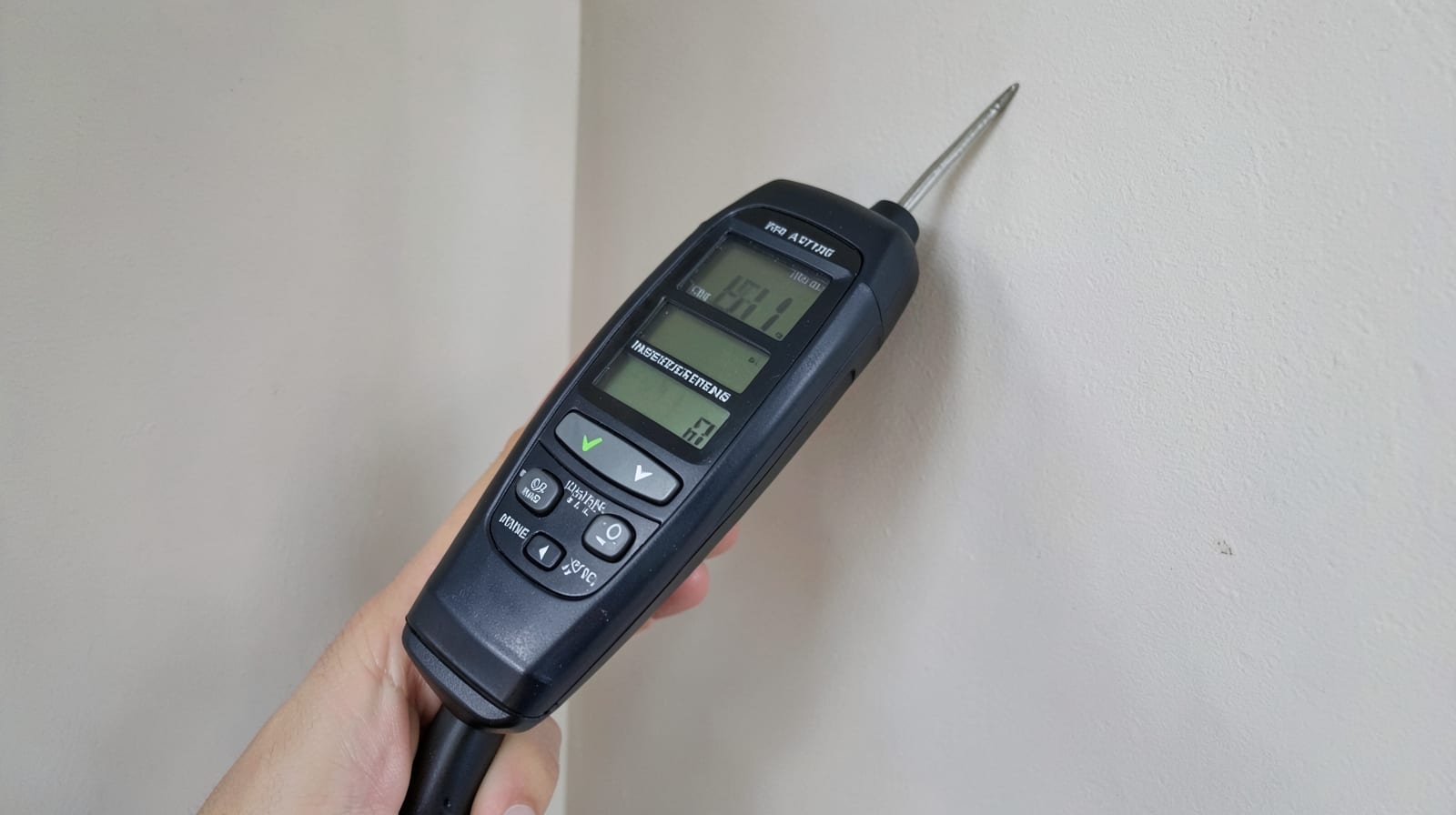
Mold Inspection in Redington Shores, FL
Mold inspection in Redington Shores, FL — a visual and moisture-meter assessment that finds the source of growth, not just the visible spot on the wall.
Learn More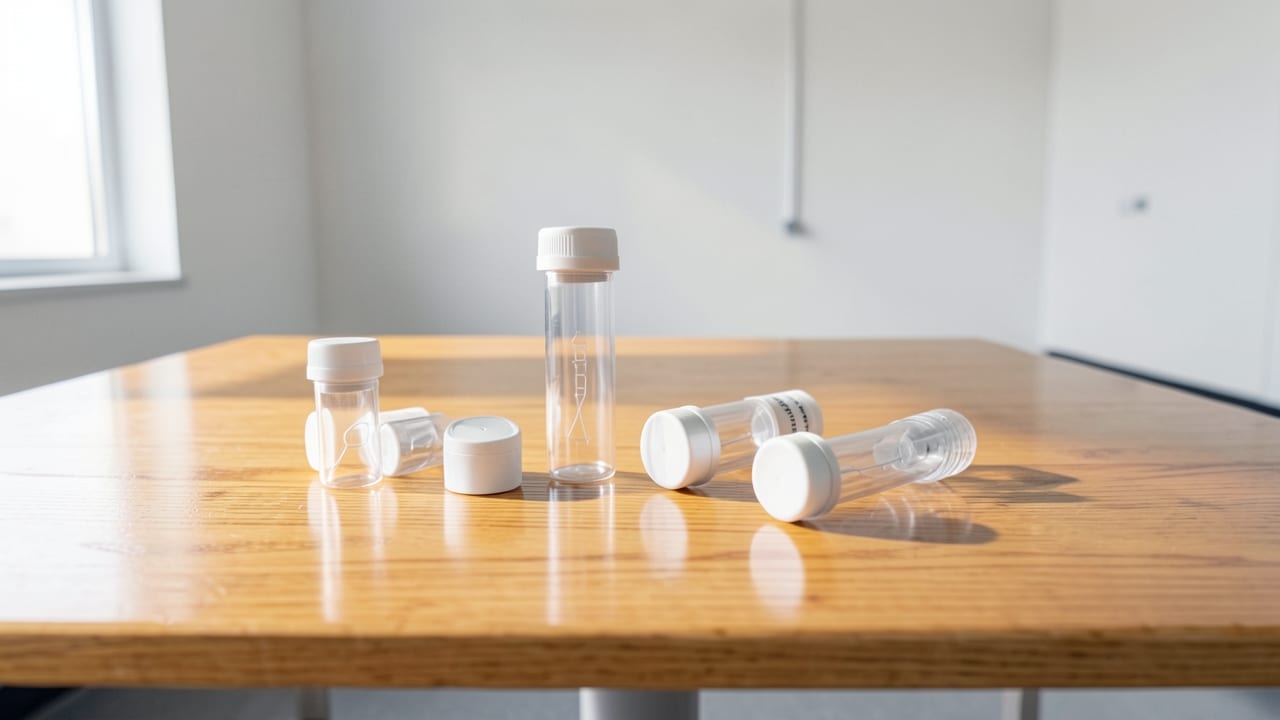
Mold Testing & Air Quality Testing in Redington Shores, FL
Mold and indoor air quality testing in Redington Shores, FL — lab-analyzed air and surface samples confirm what's actually growing and whether it's airborne.
Learn More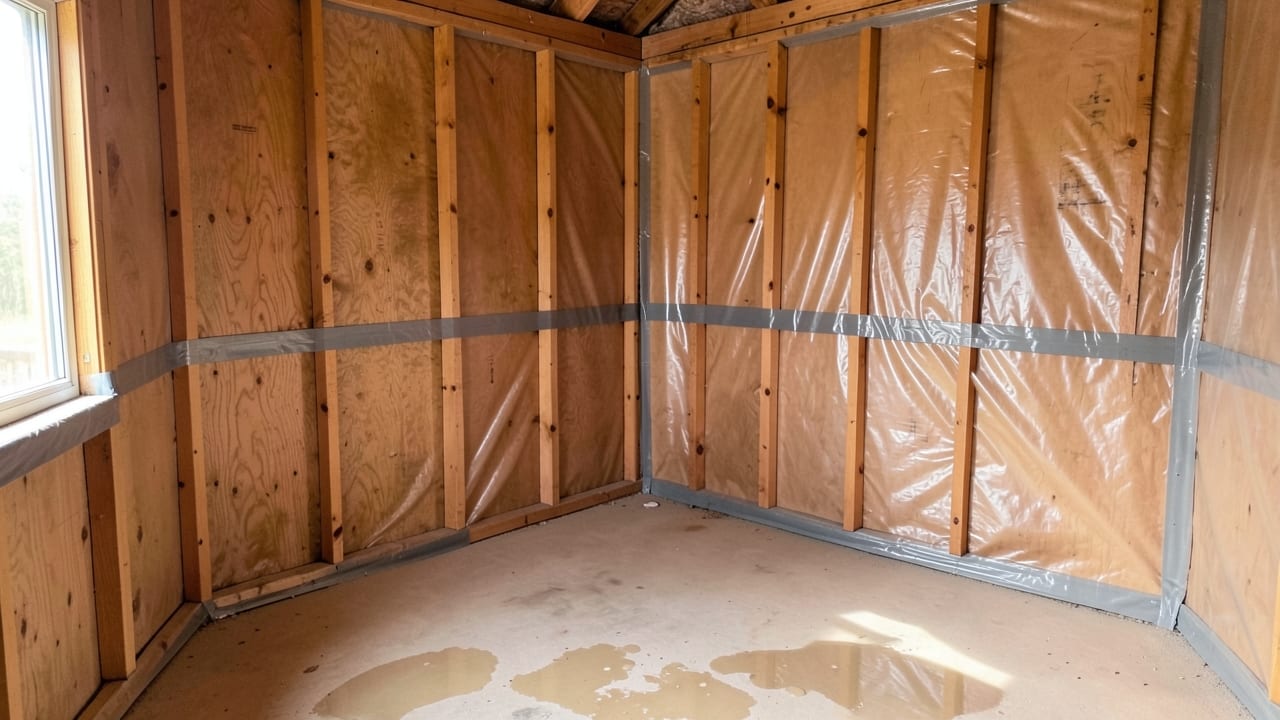
Mold Removal & Remediation in Redington Shores, FL
Mold removal and remediation in Redington Shores, FL — containment, HEPA filtration, and removal of affected material following industry (IICRC S520) protocol.
Learn More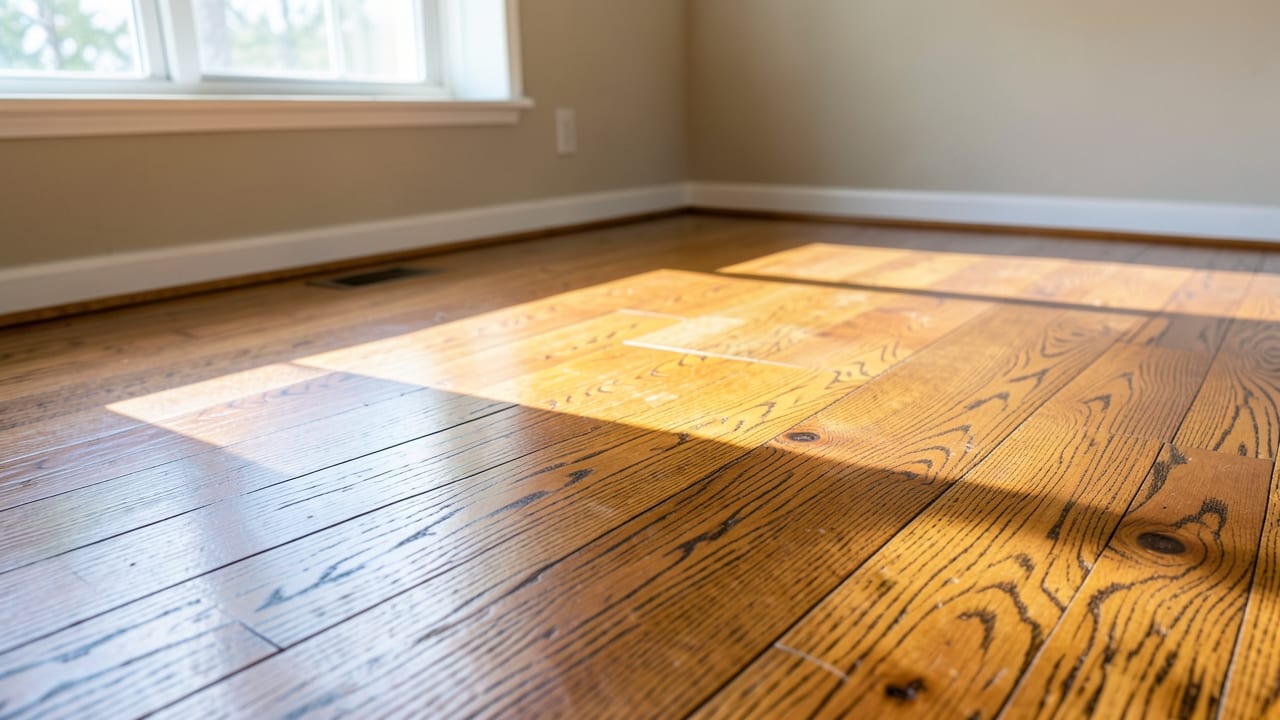
Water Damage Restoration in Redington Shores, FL
Water damage restoration in Redington Shores, FL — extraction and structural drying to stop mold growth before it starts, following a leak, storm, or flood.
Learn More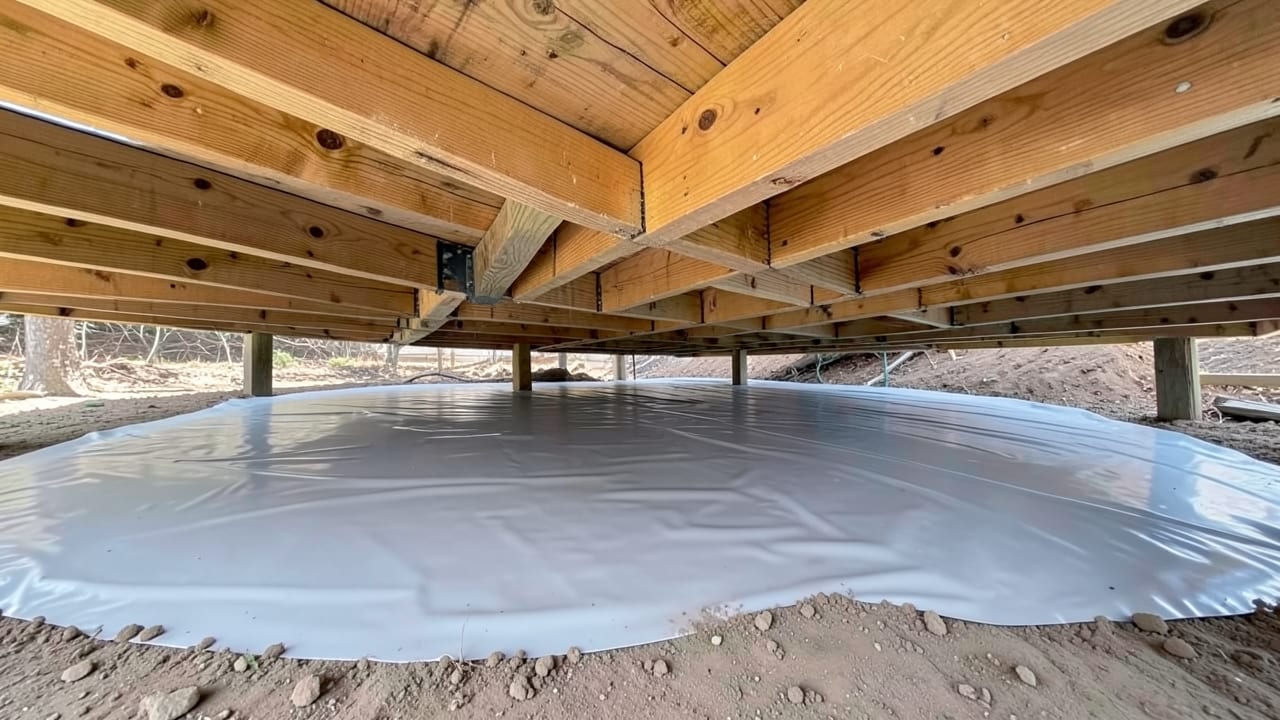
Crawl Space & Basement Mold Remediation in Redington Shores, FL
Crawl space and basement mold remediation in Redington Shores, FL addresses the two areas of a property most prone to trapped, unnoticed moisture.
Learn More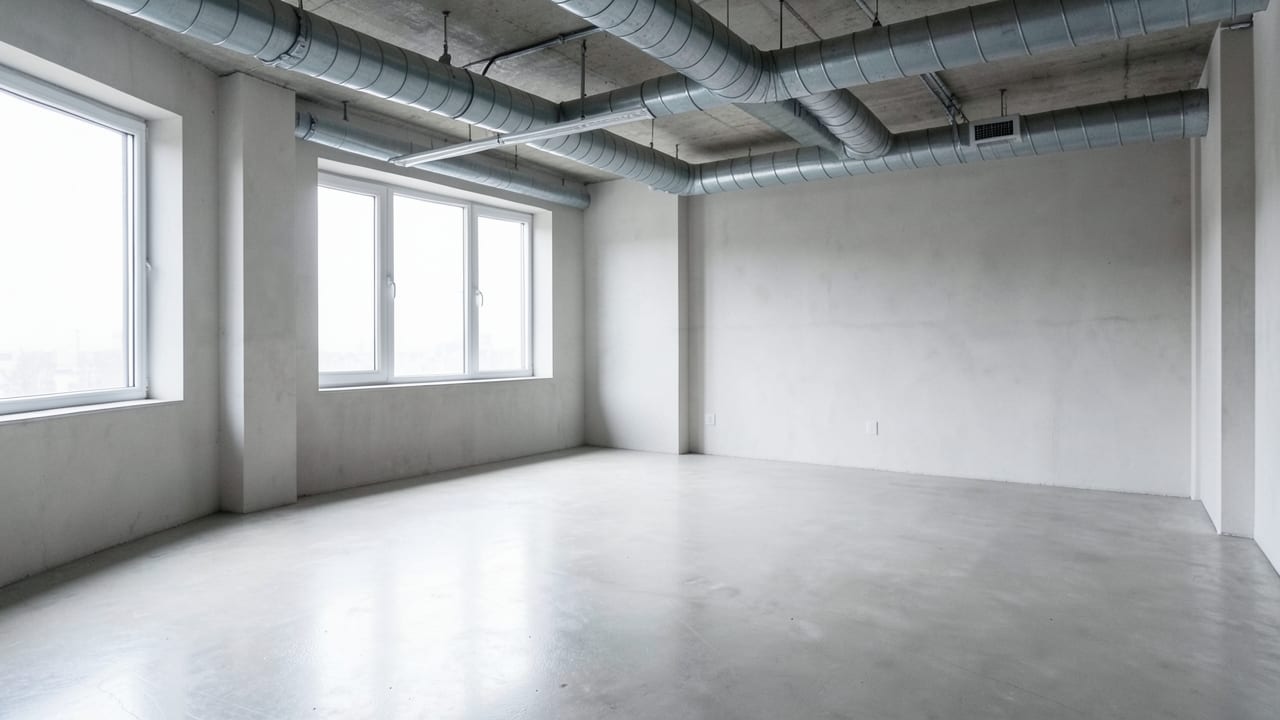
Commercial Mold Remediation in Redington Shores, FL
Commercial mold inspection and remediation in Redington Shores, FL for offices, retail space, and multi-unit properties, scheduled around business operations.
Learn MoreCommon Questions About Mold Remediation in Redington Shores
Everything you need to know about mold remediation services in Redington Shores
How much does Attic Mold Remediation typically cost in Redington Shores, FL?
Why does Redington Shores, FL's humidity make mold a bigger risk than in drier regions?
How long does a typical mold remediation job take?
Is it safe to stay in the home during mold remediation?
Can small mold problems be handled without hiring anyone?
What's the actual difference between mold removal and mold remediation?
Need Mold Remediation in Redington Shores?
Connect with local providers in Redington Shores for a detailed quote.
⏰ We answer your call • Serving all of Redington Shores and surrounding areas